



Step-by-step cleaning for glass bongs, silicone pieces, grinders, and vaporizers
How do you clean smoking accessories? Regular cleaning keeps your pieces working their best and protects your health. Dirty bongs and pipes can harbor E. coli, Streptococcus, and fungi that cause respiratory problems when inhaled. Most cleaning jobs take less than 30 minutes with a few basic supplies. This guide covers every major accessory type so you can clean any piece in your rotation quickly and safely.
Why Does Cleaning Smoking Accessories Matter?
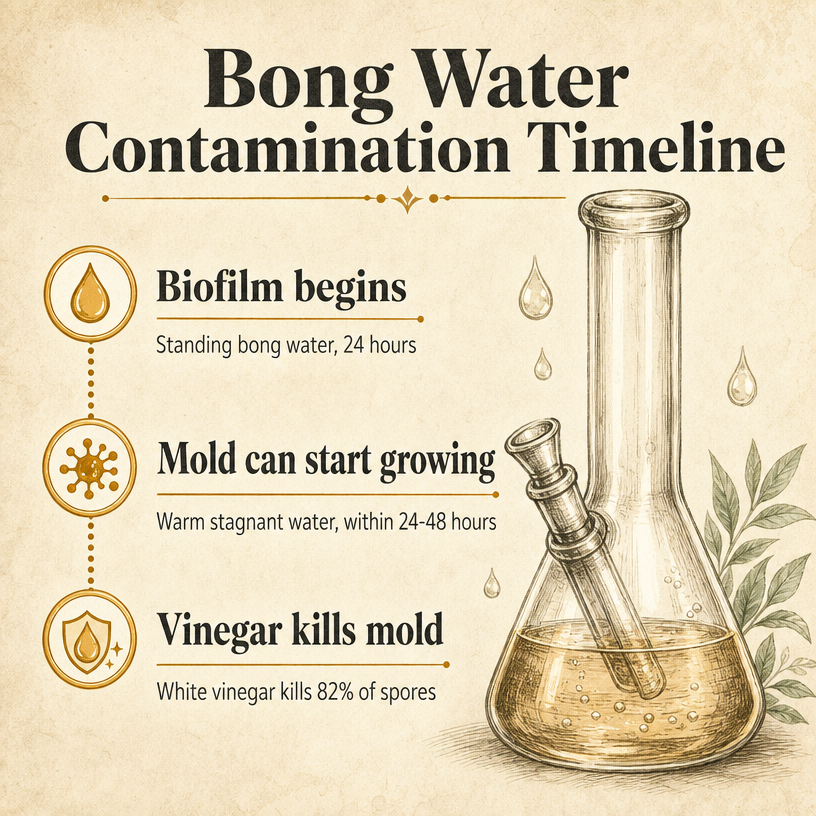
A dirty bong or pipe is more than just unpleasant. Standing bong water can begin growing bacteria and fungi within 24 hours, and resin buildup that sits too long can become permanent. [1] [3] If you would not drink from it, you probably should not smoke from it.
- Bacteria and fungi can grow in standing water and on wet surfaces inside your piece
- Resin buildup can permanently clog downstems, joints, and narrow channels
- O-rings, seals, and other components can degrade when exposed to standing residue for extended periods
- Stubborn resin that sits for weeks becomes much harder to remove than residue cleaned after a few days of use
Beyond smell and taste issues, neglected Accessories can develop problems that affect how they work. Clogged Downstems reduce airflow, and worn components may need early replacement. Regular cleaning extends the functional lifespan of your accessories, which means you spend less on replacements. [7]
Here is what can happen when cleaning gets skipped:
How Often Should You Clean Smoking Accessories?
Cleaning frequency depends on how often you use a piece and what type it is. Some maintenance takes seconds; full deep cleans take longer but need to happen far less frequently. The more you use a piece, the more often it needs attention.
- Change bong water after every single session — biofilm can begin forming within 24 hours of standing water
- Give bongs and rigs a full deep clean with ISO and salt at least once a week for regular users
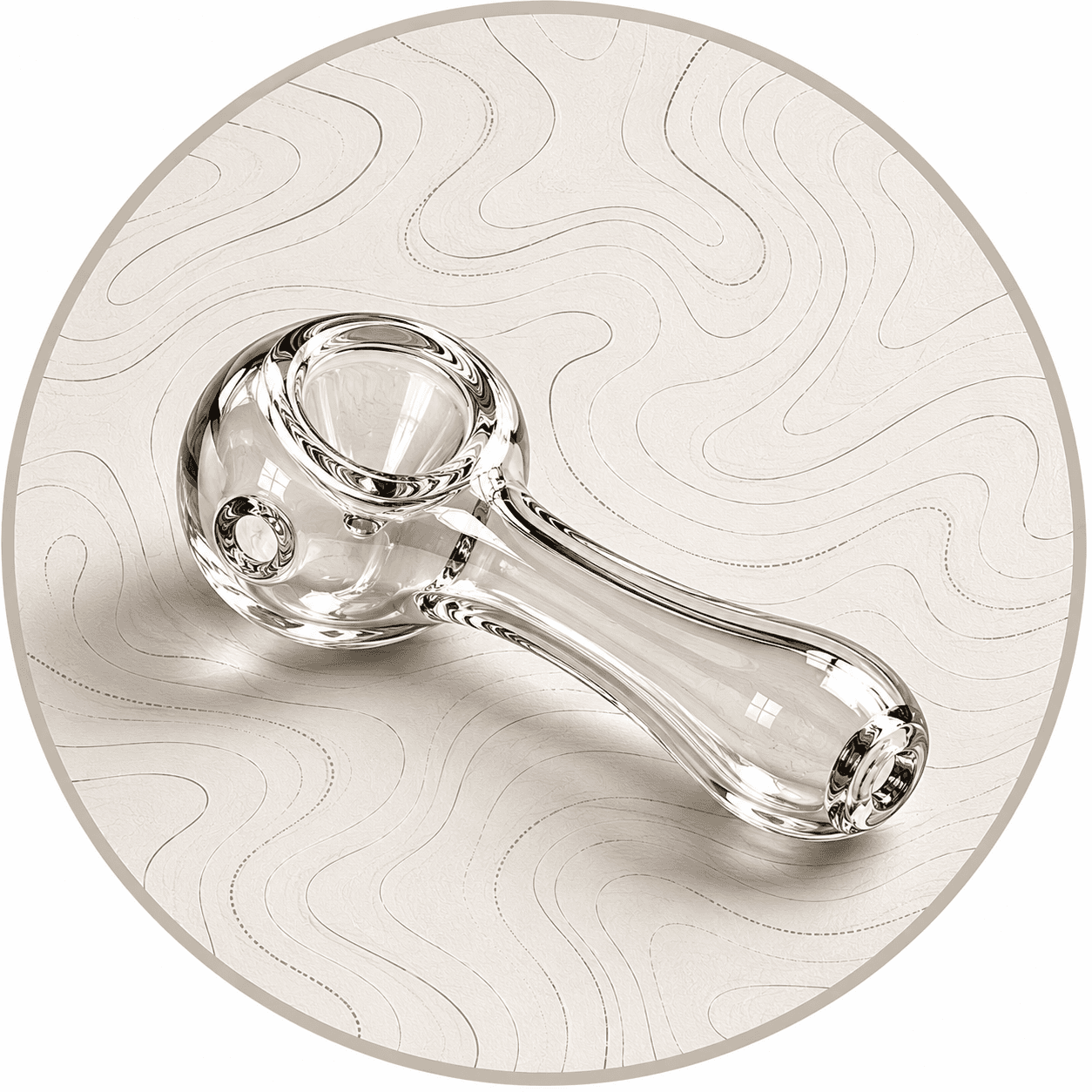
- Rinse pipes and hand pieces with hot water after each use and do a full clean weekly
- Clean grinder components with an ISO soak or soapy water at least once a month
- Wipe down vaporizer heating elements and external surfaces after each use
- Do a deeper vaporizer clean with ISO soaking for small parts whenever residue buildup becomes visible
Use this guide to set your own cleaning schedule:
Read What Is a Bong and How Does It Work? for more detail.
Read What Are Hand Pipes and Bubblers, and How Do They Differ? for more detail.
Read What Is a Dab Rig and How Do You Use One? for more detail.
Read What Smoking Accessories Do Beginners Need? for more detail.
What Cleaning Supplies Do You Need?
Most accessory cleaning jobs use the same small set of supplies. The key is matching the right material to the right cleaning agent — using the wrong solvent can permanently damage your gear. Cleaning Supplies
- 91% or 99% isopropyl alcohol — the gold standard for glass and metal cleaning; never use on silicone or acrylic
- Coarse kosher salt or Epsom salt — adds physical abrasion to speed up resin dissolution
- White vinegar and baking soda — a natural alternative for light maintenance and mold situations
- Mild dish soap — safe for silicone, plastic, and acrylic pieces where alcohol is not
- Zip-top bags — for soaking small parts in solution without using excess liquid
- Pipe cleaners, cotton swabs, and small bristle brushes — for scrubbing tight spots like downstem channels and joint threads
- Clean, lint-free towels or a drying rack — for air-drying pieces after rinsing
These are the core supplies you want on hand:
Browse Cleaning Supplies to explore related options.
How Do You Clean a Glass Bong or Rig?
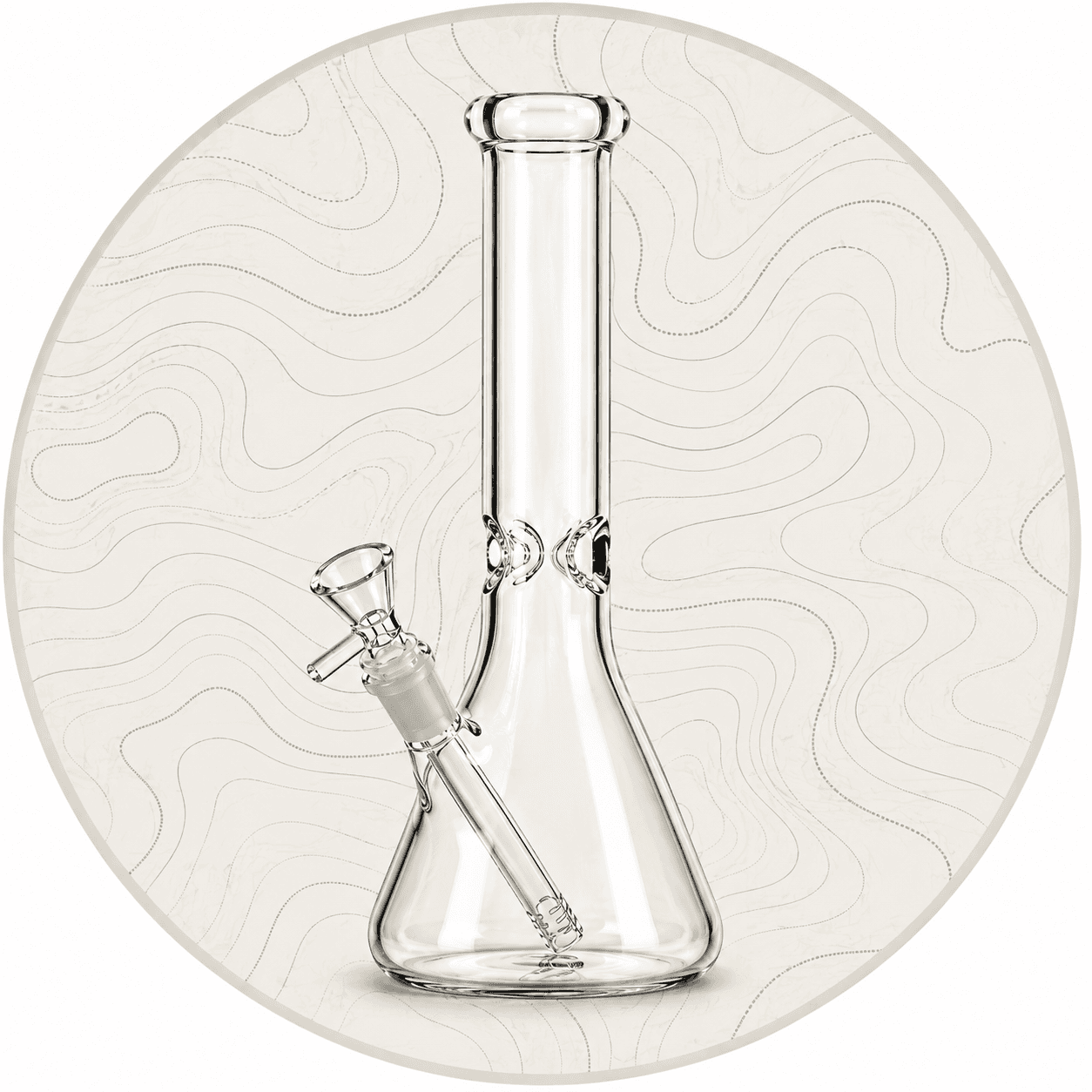
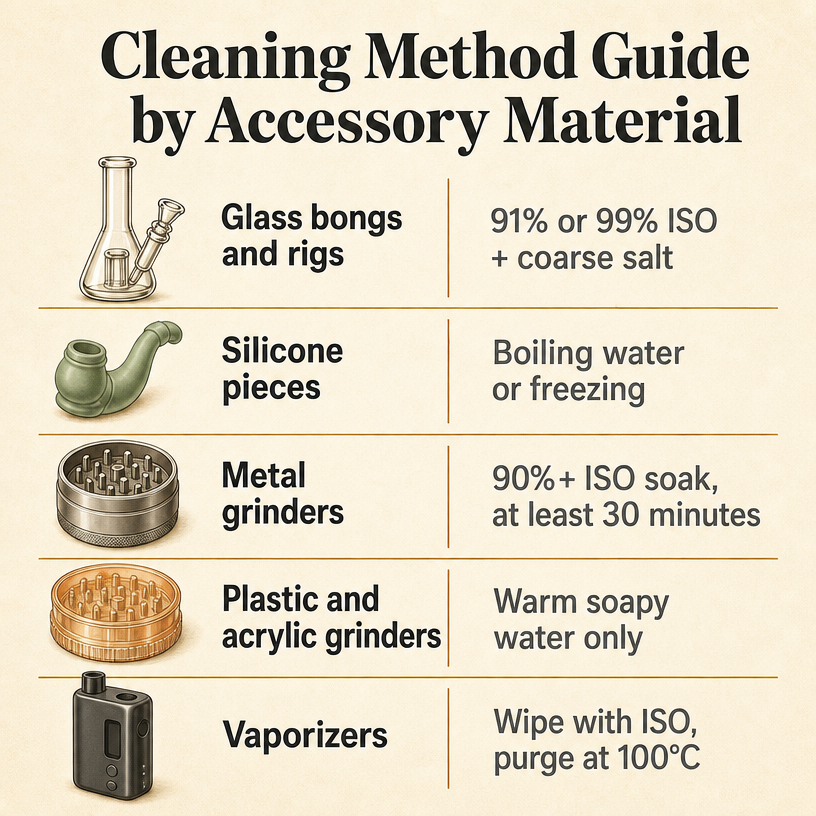
Glass Bongs and rigs get the deepest clean with isopropyl alcohol and coarse salt. The process combines chemical dissolving with physical abrasion, and it works fast — light buildup clears in 15 to 30 minutes. [1] [8] Glass Bongs
- Disassemble the bong completely — remove the bowl, downstem, and any other removable parts
- Rinse each piece with warm water to flush away loose debris and partially dissolve residue before soaking
- Fill a zip-top bag with enough 91% or 99% isopropyl alcohol to submerge each small glass part
- Add 1 to 2 tablespoons of coarse salt to the bag — the salt adds grit that scrapes away buildup as you shake
- Place small glass parts (downstem, banger, bowl) into separate bags, seal, and shake vigorously for 30 to 60 seconds
- Set the main body upright on a stable surface and pour the ISO-salt solution into the base
- Cover the openings and shake the main body for 30 to 60 seconds, then let it soak — 15 to 30 minutes for light buildup, 1 to 3 hours or overnight for heavy resin
- After soaking, scrub the interior of each piece with a pipe cleaner or brush to dislodge any remaining film
- Rinse every single part under hot running water for at least 30 seconds to remove all solvent residue
- Set pieces on a clean, lint-free surface and allow them to air dry completely before reassembling
Follow these steps in order for the best results:
How Do You Clean Silicone Smoking Pieces?
Silicone requires completely different methods from glass. Isopropyl alcohol causes silicone to swell and degrade over time, so it must be avoided entirely. [4] Safe options include boiling water, freezing, and mild dish soap.
- Boiling water: Bring a pot of water to a rolling boil. Place disassembled silicone parts in the water for 5 to 10 minutes. The heat softens resin so it scrapes off easily with a non-abrasive brush. Rinse with warm water and allow to air dry.
- Freezing: Place the silicone piece in a sealed bag and put it in the freezer for 4 or more hours. Frozen resin becomes brittle and cracks away easily when you flex the silicone. Knock off the frozen pieces and rinse.
- Mild dish soap: Disassemble the piece and wash inside and out with warm water and a few drops of mild dish soap. Use a brush to work through residue. Rinse thoroughly with clean water and air dry completely.
Here are three methods that work well for silicone:
How Do You Clean a Grinder by Material Type?
Grinders accumulate dry herb residue and kief buildup that affects performance over time. The right cleaning approach depends on whether your grinder is made of metal, plastic, or acrylic — using the wrong solvent permanently damages non-metal grinders. [5]
- Metal grinders: Soak components in 90%+ isopropyl alcohol for at least 30 minutes. For heavy buildup, soak overnight. After soaking, scrub each part with a small brush, rinse under hot running water, and allow to air dry fully before reassembling.
- Plastic and acrylic grinders: Never use isopropyl alcohol — it causes permanent clouding and cracking. Instead, soak components in warm soapy water for 20 to 30 minutes. Scrub with a brush, rinse with clean water, and allow to air dry completely before putting back together. Trapped moisture inside a stored grinder promotes mold growth.
- General maintenance: Tap out loose kief and debris after each use. Give grinders a quick ISO soak (for metal) or soapy water soak (for plastic/acrylic) at least once a month to prevent heavy buildup from forming.
Follow the method that matches your grinder’s material:
| Grinder Material | Cleaning Method | Soak Time |
|---|---|---|
| Metal | 90%+ isopropyl alcohol | 30 min to overnight |
| Plastic / Acrylic | Warm soapy water only | 20 to 30 min |
How Do You Clean a Vaporizer?
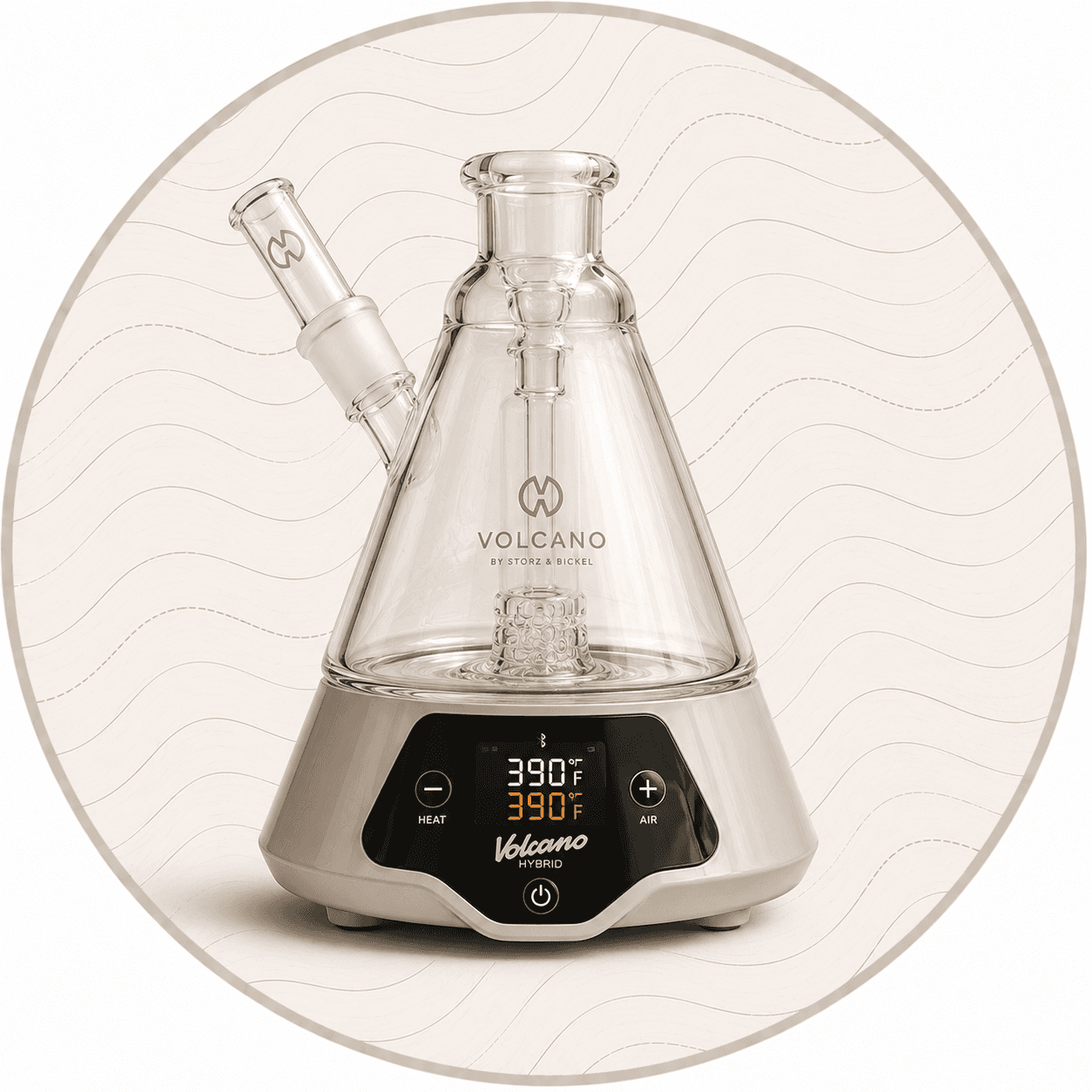
Vaporizers have heating elements and delicate components that require special care. O-rings degrade when soaked in isopropyl alcohol and should only be wiped clean with alcohol rather than submerged. [2] Any residual solvent must be fully purged at high heat before the device is used again. [7]
- Disassemble the vaporizer according to the manufacturer’s instructions — separate the heating element, chamber, and any removable accessories
- Wipe the heating element and chamber with a cotton swab dampened with isopropyl alcohol to remove residue buildup
- Soak small metal components like screens and accessories in a small container of 90%+ isopropyl alcohol for 15 to 30 minutes — heavy buildup may require an overnight soak
- Remove the components from the ISO and scrub with a small brush to dislodge any remaining residue
- Rinse small parts under hot running water for at least 30 seconds to remove all solvent residue
- Wipe O-rings with a cloth dampened with ISO rather than submerging them — submerging causes them to crack and lose their seal over time
- Allow all parts to air dry completely on a clean surface before reassembling
- Run the vaporizer at minimum 100°C (212°F) for at least 2 to 3 minutes to purge any remaining solvent before use
Follow these steps for a complete vaporizer clean:
How Do You Remove Mold from a Bong?
Mold in a bong is a serious issue. It can begin growing in as little as 24 to 48 hours when water is left standing, particularly in warm conditions between 77°F and 86°F. [3] If you see any discoloration, film, or fuzzy growth inside your piece, address it immediately.
- Empty the bong immediately and rinse all surfaces with hot water to remove standing water and loose debris
- Disassemble the piece completely so you can access every interior surface
- Fill a container or zip-top bag with a solution of white vinegar and baking soda — this combination handles approximately 82% of common mold spores found in bong water
- Soak all components in the vinegar solution for at least 30 minutes to give it time to break down the mold
- Scrub every interior surface with a brush, paying close attention to corners, curves, and anywhere water sits during use
- Rinse every part thoroughly with hot running water to remove all vinegar residue
- Allow the piece to air dry completely on a clean, lint-free surface before storing or reassembling
- To prevent mold from returning: change bong water after every session, rinse the interior with hot water at least once a week, and store the bong in a dry location with good airflow — never in a sealed container while still damp
Here is how to handle mold safely and thoroughly:
What Are Common Questions About Smoking Accessories?
What is the best natural cleaning solution for smoking accessories?
A mixture of white vinegar and baking soda works well for light maintenance cleaning and handles most common mold situations. It is a safe alternative to isopropyl alcohol for regular upkeep. For heavy resin on glass, ISO with salt is more effective.
Can I use boiling water to clean glass smoking pieces?
Boiling water is safe for silicone pieces and helps crack off hardened resin. For glass bongs and rigs, isopropyl alcohol with coarse salt is more effective at dissolving resin buildup and requires less scrubbing.
How do I clean hard-to-reach spots in a pipe or rig?
Pipe cleaners, cotton swabs, and small bristle brushes are the best tools for tight spaces like downstem channels, joint threads, and carb holes. Soaking parts in zip-top bags with cleaning solution first loosens buildup and makes scrubbing much easier.
Is 70% isopropyl alcohol effective for cleaning smoking accessories?
No. 70% isopropyl alcohol has too much water content to effectively dissolve resin. 91% to 99% isopropyl alcohol is required for effective cleaning of glass smoking accessories.
How should I store smoking accessories after cleaning?
Always ensure pieces are completely dry before storing to prevent mold growth. Store in a clean, dry location with good airflow. Avoid sealed plastic bags or containers immediately after cleaning — moisture trapped inside promotes bacterial and mold growth.
Can I clean O-rings with isopropyl alcohol?
No. O-rings degrade when soaked in isopropyl alcohol and should only be wiped clean with alcohol rather than submerged. Submerging O-rings causes them to crack and lose their seal over time.
What Is the Best Way to Keep Smoking Accessories Clean?
The best approach is simple: clean regularly and match your method to your material. A mixture of white vinegar and baking soda is effective for light maintenance. For glass pieces, 91% or 99% isopropyl alcohol with coarse salt gets the job done efficiently. For silicone, stick to boiling water, freezing, or mild dish soap. Grinders need material-specific care — metal handles ISO soaks, while plastic and acrylic require warm soapy water.
Keep pipe cleaners, cotton swabs, and small brushes handy for tight spots. Always rinse thoroughly and allow pieces to dry completely before storing. Change bong water after every session, and never leave a piece sitting with standing water for more than a day or two.
With consistent care, your smoking accessories will stay functional and clean for years. Treehouse Lifestyle carries a wide selection of accessories for every piece in your rotation. Orders over $150 qualify for free shipping.
Where Does This Smoking Accessory Information Come From?
- Smoke Cartel: How to Clean a Bong: The Ultimate Guide (Salt, Alcohol & More)
- DynaVap: How to Clean A DynaVap Vaporizer | The Essential Guide
- HEMPER: What Does Mold in a Bong Look Like and How to Fix It
- 420 Science: How to Clean Silicone Bongs and Dab Rigs
- Vaping360: How to Clean Your Grinder: A Step-by-Step Guide
- GRAV: How Clean Your Bongs & Pipes
- Verdampftnochmal: Why Cleaning Your Vaporizer Properly Extends Its Lifespan
- Oil Slick: How to Clean a Dirty Dab Rig 2026 (Reclaim & Resin)